Menu

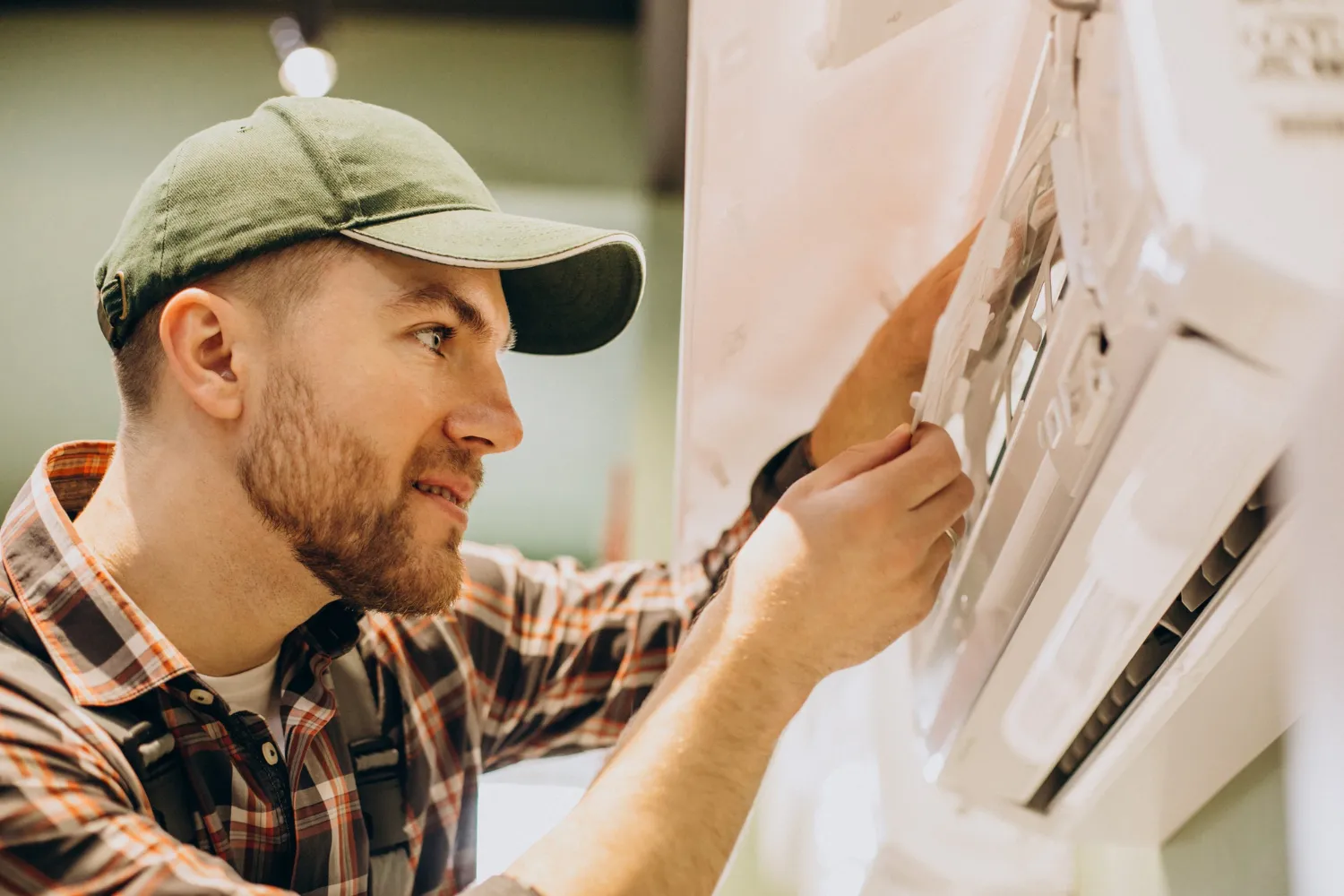
Why Your HVAC System Needs Immediate Attention
HVAC repair service is essential when your heating or cooling system stops working properly, causing discomfort, higher energy bills, or inconsistent temperatures throughout your home. Most systems show warning signs before they fail completely—from strange noises and weak airflow to rising utility costs and uneven heating or cooling. The good news is that catching these issues early often means a simple repair instead of a costly replacement.
When you need HVAC repair service:
- Weak or uneven airflow from vents
- Strange noises like banging, rattling, or squealing
- Foul odors such as musty or burning smells
- Short cycling (system turns on and off frequently)
- Water pooling around your unit
- Rising energy bills without increased usage
- Inconsistent temperatures between rooms
- System won't turn on or respond to thermostat
If you're experiencing any of these issues, you need prompt attention from a qualified technician. Learn more about our comprehensive heating services or schedule your repair service today.
Your HVAC system works hard year-round to keep your home comfortable. When something goes wrong, it affects not just your comfort but also your energy bills and indoor air quality. Understanding what's happening with your system—and knowing when to call for professional help—can save you from minor problems becoming major headaches.
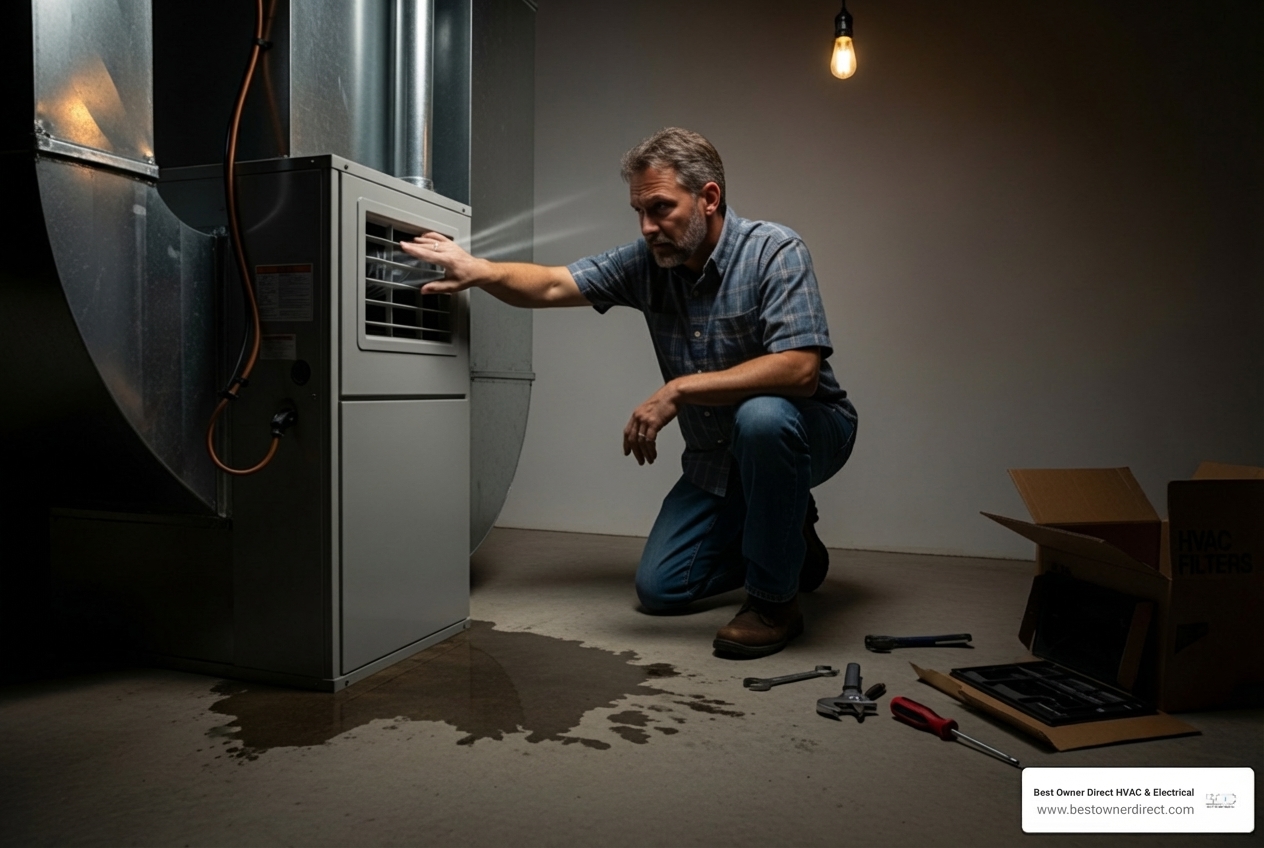
Is Your HVAC System Trying to Tell You Something?
Sometimes, our HVAC systems are a bit like a moody teenager—they communicate through subtle (and not-so-subtle) cues that something isn't quite right. Ignoring these warning signs can lead to bigger problems down the road, impacting your home's comfort, the air quality you breathe, and your monthly energy bills. We believe in listening to your home, and that starts with understanding what your HVAC system is trying to tell you.
Key Indicators Your System Needs Repair
When your heating or cooling system starts acting up, it’s not just a minor inconvenience; it’s a signal for attention. Recognizing these signals early can be the difference between a quick fix and a major overhaul.
- Weak Airflow: If you notice that the air coming from your vents isn't as strong as it used to be, or if some rooms feel stuffy while others are comfortable, you might have an issue. Weak airflow can stem from anything from a dirty air filter to a failing blower motor or even leaky ductwork. It means your system is struggling to distribute conditioned air, making it less efficient and effective.
- Uneven Heating and Cooling: Are you constantly adjusting the thermostat because one room is too hot and another too cold? This "Goldilocks problem" is a classic sign of an HVAC system struggling to maintain consistent temperatures. It could point to ductwork issues, an improperly sized system, or problems with your thermostat's sensors.
- Strange Noises: Your HVAC system should operate with a relatively quiet hum. If you start hearing bangs, squeals, rattles, or grinding sounds, it’s definitely a red flag. Rattling might indicate loose parts, while a squeal often means a worn belt or bearing in the motor. Grinding could suggest a motor bearing is failing, and a persistent bang could be a sign of a critical component issue. Don't ignore these sounds; they often precede more significant breakdowns.
- Foul Odors: The air from your vents should be neutral. Musty smells often indicate mold or mildew growth within your ductwork or evaporator coil, impacting indoor air quality. A burning or waxy odor could signal electrical issues or an overheated component, which requires immediate attention for safety.
- Short Cycling: Does your HVAC system turn on and off frequently, running for only short bursts? This is known as short cycling, and it’s like your system is trying to take a quick nap every few minutes instead of doing its job properly. It can be caused by a variety of issues, including an oversized unit, a dirty air filter, or even a faulty thermostat. Short cycling not only reduces comfort but also puts excessive wear and tear on your system, shortening its lifespan.
- Leaking Water: While some condensation is normal, significant water pooling around your indoor or outdoor unit is a clear sign of trouble. This could be due to a clogged condensate drain line, a frozen evaporator coil that's melting, or even a refrigerant leak. Water leaks can lead to property damage and foster mold growth, so it's crucial to address them quickly.
- High Humidity: Your HVAC system plays a vital role in managing indoor humidity. If your home feels excessively humid, even when the air conditioner is running, it indicates your system isn't dehumidifying effectively. This can lead to discomfort, sticky surfaces, and potential mold growth.
- Rising Energy Bills: An unexplained spike in your utility bills, without a corresponding increase in usage, is often one of the first indicators that your HVAC system is losing efficiency. An aging system, dirty coils, or duct leaks can force your unit to work harder and longer to achieve the desired temperature, consuming more energy in the process.
Simple Checks to Perform Before Calling a Professional
Before you pick up the phone, there are a few simple checks you can perform. Sometimes, the solution is easier than you think, and these steps can save you a service call.
- Check Thermostat Settings: It might sound obvious, but ensure your thermostat is set to the correct mode (heat/cool) and temperature. Sometimes, a simple bump of the setting or a change from "fan on" to "auto" can resolve the issue. If your thermostat uses batteries, try replacing them.
- Inspect Air Filter: A clogged or dirty air filter is the most common problem with HVAC systems. A dirty filter restricts airflow, making your system work harder and reducing its efficiency. Check your filter and replace it if it's visibly dirty. We recommend checking your air filter monthly and replacing it every 1-3 months, depending on usage and household conditions.
- Confirm Power at Circuit Breaker: If your system isn't turning on at all, head to your electrical panel. An overloaded circuit can trip the breaker, cutting power to your HVAC unit. Flip the breaker switch completely off, then back on. If it trips again immediately, there's likely an electrical issue that requires professional attention.
- Ensure Vents Are Open and Unblocked: Make sure all supply and return air vents in your home are open and not blocked by furniture, curtains, or rugs. Restricted airflow can cause uneven temperatures and strain your system.
If these basic checks don't resolve the problem, it's time to call in the experts.
Common Problems That Require HVAC Repair Service
Just like any complex mechanical system, your HVAC unit is subject to wear and tear, and sometimes components simply decide to take an unscheduled break. Understanding some of the common culprits behind a malfunctioning system can help you communicate effectively with our technicians and give you peace of mind.
Mechanical and Electrical Issues
Many of the issues that require HVAC repair service are rooted in the mechanical and electrical components that make your system tick.
- Faulty Capacitors: Capacitors are like small batteries that give your motor the necessary jolt to start and run. If a capacitor fails, your fan motor or compressor might not start, or it might run inefficiently. This is a common repair, and we often see it in systems that are a few years old.
- Worn Contactors: The contactor is an electrical switch that controls the flow of electricity to the outdoor unit's compressor and fan motor. Over time, the contacts can wear down, preventing the unit from turning on or causing it to short cycle.
- Blower Motor Problems: The blower motor is responsible for moving conditioned air through your home's ductwork. If it's failing, you'll notice weak airflow, unusual noises, or no air movement at all. Problems can range from a failing motor itself to issues with the fan belt or bearings.
- Fan Motor Failure: Both your indoor and outdoor units have fan motors. The outdoor fan motor helps dissipate heat from the condenser coil, while the indoor fan (blower) circulates air. If either fails, your system won't be able to effectively heat or cool your home, leading to discomfort and potential damage to other components.
- Compressor Issues: The compressor is often considered the heart of your air conditioning system. It's responsible for pumping refrigerant and is a crucial component in the cooling cycle. If your compressor fails, your AC won't cool. While a compressor replacement can be a significant repair, we'll always assess whether it's the most cost-effective solution for your system.
System Performance and Safety Issues
Beyond individual component failures, certain issues can significantly impact your system's overall performance and even pose safety risks.
- Refrigerant Leaks: Refrigerant is the lifeblood of your air conditioner, absorbing heat from your home. If your system is low on refrigerant, it's almost certainly due to a leak, not just a need for a "recharge." A leak means your system can't cool effectively, leading to lukewarm air and increased energy consumption. Identifying and repairing the leak is crucial before recharging the system.
- Frozen Evaporator Coils: If you see ice forming on your indoor evaporator coil, it's a sign of a serious problem, usually related to restricted airflow (e.g., a dirty filter) or low refrigerant levels. A frozen coil prevents your system from absorbing heat, leading to poor cooling.
- Clogged Condensate Drains: Your AC system removes humidity from the air, and this moisture collects in a drain pan and flows out through a condensate drain line. If this line gets clogged with algae or debris, water can back up, causing leaks and potentially damaging your home or system components.
- Ignition or Pilot Light Problems: For gas furnaces, issues with the ignition system or a constantly extinguishing pilot light can prevent your furnace from heating. Safety sensors like the thermocouple or flame sensor are designed to detect if the pilot light or flame is present, and if they malfunction, they can shut down the furnace as a safety measure.
- Damaged Ductwork: Your home's ductwork is the circulatory system for your conditioned air. Leaks, kinks, or disconnections in your ducts can lead to significant energy loss, uneven heating and cooling, and reduced indoor air quality. Repairing damaged ductwork ensures that the air you pay to condition actually reaches its intended destination.
The Big Decision: Repairing vs. Replacing Your System
When your HVAC system experiences a significant issue, you're often faced with a crucial decision: repair the existing unit or invest in a new one. This choice impacts your long-term comfort, energy efficiency, and finances. We're here to help you steer this decision with clear information and expert advice.
Understanding the Repair vs. Replace Guideline
Deciding whether to repair or replace often comes down to a few key factors: the age of your system, the complexity and cost of the repair, and how frequently it breaks down. A helpful guideline many in our industry use is the "5,000 rule."
The 5,000 rule suggests that if the cost of the repair multiplied by the age of the unit (in years) is over 5,000, it's generally more cost-effective to replace the HVAC system. For example, if your system is 10 years old and the repair would cost $600, then 10 * 600 = 6,000. Since 6,000 is greater than 5,000, replacement might be the smarter financial decision. This rule helps us consider the long-term value, factoring in potential future repairs and diminishing efficiency.
However, the 5,000 rule is just a guideline. We also consider:
- Repair Complexity: Is it a minor component replacement or a major system overhaul? Simple repairs on younger systems are usually a clear choice.
- Frequency of Breakdowns: If your system is constantly needing repairs, even small ones, the cumulative cost and inconvenience can quickly outweigh the benefits of keeping it.
- Your Future Plans: If you're planning to move in the next few years, a cost-effective repair might make more sense than a full replacement, depending on the situation.
How System Age and Lifespan Affect Your Choice
The age of your HVAC system plays a significant role in the repair vs. replace decision. HVAC systems generally last about 15-20 years. As your system approaches or exceeds this age, several factors come into play:
- Diminishing Efficiency: Older systems are simply not as energy-efficient as newer models. Even if they're running, they're likely consuming more energy to do the same job, leading to higher utility bills. Modern systems boast significantly higher Seasonal Energy Efficiency Ratios (SEER) for air conditioners and Annual Fuel Utilization Efficiency (AFUE) for furnaces.
- Parts Availability: As systems age, finding replacement parts can become more difficult and expensive, especially for very old or discontinued models.
- Reliability: Older systems are naturally more prone to breakdowns. You might fix one component, only for another to fail shortly after, leading to a cycle of costly repairs.
When your system is still relatively young (e.g., under 10 years old) and the repair is minor, fixing it is usually the best option. However, for an older system with a major component failure (like a compressor or heat exchanger), or if it's requiring frequent repairs, replacement often offers better long-term value, improved efficiency, and greater peace of mind. We'll always provide a thorough assessment and honest recommendations custom to your specific situation and budget.
The Professional HVAC Repair Service Process
When your HVAC system falters, you need more than just a quick fix; you need a lasting solution that ensures your family's safety and comfort. This is where professional HVAC repair service shines, combining expertise with proper procedures to get your system running smoothly again.
What to Do in an HVAC Emergency
Unexpected HVAC breakdowns, especially during extreme weather in areas like Beaverton, Canby, or Forest Grove, can be stressful. Knowing what to do can help keep your family safe and prevent further damage to your system.
- Turn Off the System: If you notice strange smells (like gas or burning), severe leaks, or unusual electrical sounds, immediately shut off your HVAC system at the thermostat and, if necessary, at the circuit breaker. This prevents potential hazards and further damage.
- Ensure Safety: For gas-related issues, evacuate your home and call your gas provider immediately. If you suspect an electrical problem, avoid touching the unit.
- Contact Us Immediately: For emergency HVAC repair service in Banks, Beaverton, Canby, Carlton, Cornelius, Dayton, Dundee, Forest Grove, Gaston, Gladstone, Hillsboro, King City, Lafayette, Lake Oswego, Milwaukie, Newberg, North Plains, Oregon City, Portland, Sherwood, Tigard, Tualatin, West Linn, Wilsonville, or Yamhill, we offer prompt and reliable service. We understand that some issues can't wait, and we're ready to respond to urgent calls.
Benefits of Using a Qualified Technician
While DIY fixes might seem appealing for minor issues, complex HVAC systems require the touch of a professional. Choosing a qualified technician for your HVAC repair service offers numerous advantages:
- Accurate Diagnosis: Our experienced technicians possess the knowledge and specialized tools to accurately diagnose the root cause of the problem. What might seem like one issue to a homeowner could be a symptom of a deeper, more complex problem. Our diagnostic fees are transparent, ensuring you understand the issue before any work begins.
- Specialized Tools and Expertise: HVAC systems involve intricate electrical components, refrigerants, and motors. Our technicians are equipped with the right tools and ongoing training to handle these complexities safely and effectively. We don't just guess; we test and verify.
- Access to Correct Parts: We use high-quality, often manufacturer-authorized, replacement parts that are designed to work seamlessly with your specific system. This ensures optimal performance and longevity for your repair.
- Warranty Protection: Professional repairs often come with warranties on both parts and labor, giving you peace of mind that the job is done right and is covered should an issue arise again. Attempting DIY repairs can sometimes void your existing manufacturer's warranty.
- Ensuring System Safety and Efficiency: Beyond fixing the immediate problem, our technicians ensure your system operates safely and efficiently. This includes checking for potential hazards like carbon monoxide leaks in furnaces or electrical issues, and optimizing your system for peak performance, which can lead to energy savings.
How Regular Maintenance Prevents Future Repairs
An ounce of prevention is truly worth a pound of cure when it comes to your HVAC system. Regular, professional HVAC maintenance is the single most effective way to prevent unexpected breakdowns and extend the life of your unit.
Here’s how routine maintenance helps:
- Early Detection of Issues: During a seasonal tune-up, our technicians can spot minor wear and tear, loose connections, or developing problems before they escalate into major, costly repairs. Catching a small refrigerant leak early, for instance, is much better than waiting for your evaporator coil to freeze.
- Improved Efficiency: A well-maintained system runs more efficiently, consuming less energy to heat or cool your home. This translates directly into lower utility bills for you. We'll clean coils, check refrigerant levels, and ensure all components are working optimally, which can significantly reduce strain on your system.
- Extended System Lifespan: By keeping all components clean and properly adjusted, maintenance reduces wear and tear on your HVAC system. This helps your unit last closer to its average lifespan of 15-20 years, delaying the need for a costly replacement.
- Improved Performance and Comfort: A system that receives regular care provides more consistent heating and cooling throughout your home, eliminating hot and cold spots and improving overall comfort.
- Better Indoor Air Quality: Maintenance often includes checking and cleaning components that affect indoor air quality, such as the blower assembly and condensate drains, which can harbor mold and mildew.
- Maintaining Warranty: Many HVAC manufacturers require proof of annual professional maintenance to keep your warranty valid. Skipping tune-ups could mean you're on the hook for full repair costs if a covered part fails.
We recommend seasonal tune-ups—one in the spring for your cooling system and one in the fall for your heating system—to keep your HVAC running at its best.
Frequently Asked Questions about HVAC Repair
We know you have questions, and we're here to provide clear, straightforward answers about HVAC repair service.
What is the most common problem with HVAC systems?
The most common problem we encounter with HVAC systems is a clogged or dirty air filter. It might seem simple, but a neglected air filter can cause a cascade of issues. It restricts airflow, forcing your system to work harder, which leads to higher energy bills, reduced heating or cooling capacity, and increased strain on components like the blower motor. In severe cases, it can even cause your evaporator coil to freeze. Regularly checking and replacing your air filter is one of the easiest and most impactful maintenance tasks a homeowner can perform.
How many years should an HVAC system last?
On average, a well-maintained HVAC system can last about 15-20 years. However, this lifespan can vary significantly based on several factors:
- Maintenance Impact: Systems that receive regular professional tune-ups tend to last longer than those that are neglected.
- System Type: Furnaces often last 15-20 years, while air conditioners and heat pumps typically last 10-15 years.
- Climate Factors: Systems in regions with extreme temperatures (like the cold winters and warm summers in Banks, Beaverton, or Portland) might work harder and potentially have a slightly shorter lifespan if not properly maintained.
- Usage Patterns: Systems that run almost constantly will naturally experience more wear and tear than those in homes with moderate usage.
While an older system might still be functional, its efficiency often declines over time, leading to higher operating costs.
Does home insurance cover HVAC repair?
Generally, home insurance covers HVAC repair or replacement if the damage is caused by a sudden, accidental event or a specific peril listed in your policy, such as fire, lightning, vandalism, or certain natural disasters. For instance, if a tree falls on your outdoor unit or a pipe bursts and floods your furnace, your homeowner's insurance might cover the costs.
However, home insurance typically does not cover damage due to neglect, lack of maintenance, or general wear and tear. This means if your system breaks down simply because it's old, hasn't been serviced, or a component fails due to age, you'll likely be responsible for the repair or replacement costs. It's always best to review your specific policy or contact your insurance provider to understand your coverage. Regular maintenance is your best defense against these uncovered breakdowns.
Get Your Home Comfort Back on Track
Your home in Banks, Beaverton, Canby, Carlton, Cornelius, Dayton, Dundee, Forest Grove, Gaston, Gladstone, Hillsboro, King City, Lafayette, Lake Oswego, Milwaukie, Newberg, North Plains, Oregon City, Portland, Sherwood, Tigard, Tualatin, West Linn, Wilsonville, or Yamhill deserves reliable comfort, no matter the season. Addressing HVAC issues proactively not only restores your system's functionality but also contributes to its longevity and efficiency, giving you invaluable peace of mind.
We're dedicated to providing the highest quality HVAC repair service, ensuring your system runs smoothly and keeps your indoor environment perfectly comfortable. Don't let a minor issue turn into a major headache.