Menu

Troubleshooting: Furnace Won’t Produce Heat — A Practical Guide for Portland Metro Homeowners
Cold, no-heat situations are stressful — and often urgent. This guide walks Portland Metro homeowners through straightforward checks to figure out why a furnace isn’t producing heat and whether it’s a safe DIY fix or time to call a pro. You’ll learn how thermostat and power problems keep the system from starting, how restricted airflow and dirty filters cause safety shutdowns, and how ignition or fuel-supply issues stop the burner. Each section gives clear, step-by-step checks you can do safely, explains safety behaviors like limit-switch trips, and flags the “call now” symptoms that need a technician. We also weave in common search terms like furnace not heating, thermostat not calling for heat, clogged furnace filter symptoms, and emergency furnace repair Portland so you can find what matters fast.
Why Is My Furnace Not Producing Heat? Common Causes, Plain and Simple
When a furnace won’t make heat, it usually traces back to one of five areas: the thermostat and control signals; electrical or power supply problems; restricted airflow (filters, vents, ducts); ignition or flame-sensor faults; or fuel-supply and safety-control shutdowns. Each interrupts the heating sequence in a different way — for example, a thermostat that isn’t calling for heat never tells the furnace to start, while a clogged filter can cause overheating that trips a limit switch. Understanding the chain of cause and effect helps you focus on the most likely fixes and avoid unsafe actions. The quick list below shows common causes and what you’ll typically notice at a register or on the furnace.
Common top causes of no heat:
- Thermostat not calling for heat: Blank display, wrong mode, or dead batteries stopping a heat signal.
- Power or breaker issues: Furnace has no power, control lights are off, or a breaker has tripped.
- Restricted airflow and clogged filter: Little or no warm airflow, frequent on/off cycling, or higher energy use.
- Ignition system failures: No flame, repeated start attempts, or short cycling.
- Fuel supply or safety shutdowns: Closed gas valve, empty oil tank, or a limit switch tripping from overheating.
This quick-reference table matches those causes with common symptoms and the urgency for next steps.
Use this summary to match what you see with likely causes and decide which DIY checks to try first.
What Problems Most Often Cause a Furnace to Stop Heating?
Most no-heat calls come from a short list: thermostat misprogramming or dead batteries, dirty air filters, tripped breakers or service switches, failed igniters or flame sensors, and interruptions in the gas or oil supply. In Portland homes, wet winters and higher indoor humidity can make filter and airflow problems more likely, which in turn can trigger overheating trips. A quick visual check — thermostat mode and display, the filter’s condition, and whether fans or lights on the furnace are working — often reveals the issue and can restore heat without parts replacement.
If a quick check doesn’t fix it, the symptom pattern points you to the next step: repeated ignition tries suggest an ignition or flame-sensor problem that needs deeper cleaning or a technician’s diagnosis.
How Do Thermostat Problems Stop the Furnace from Heating?
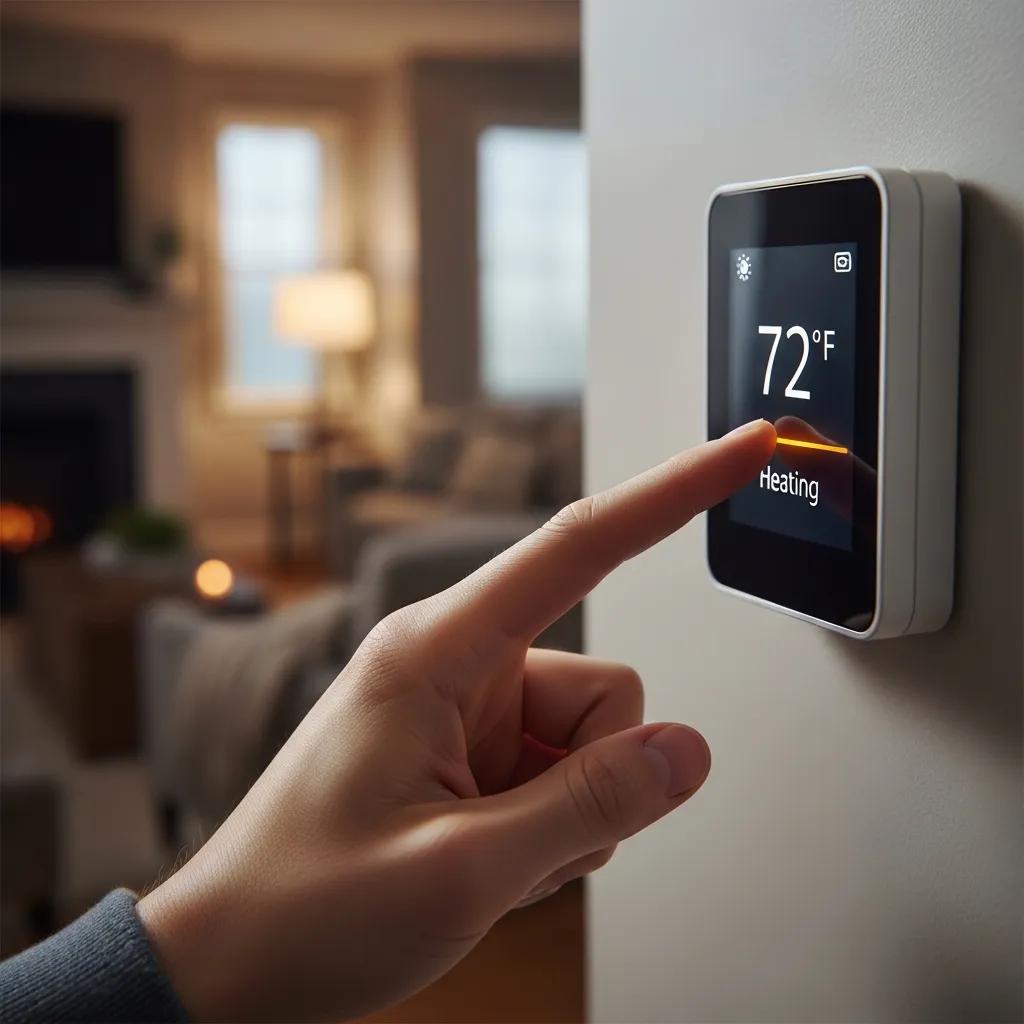
The thermostat is the furnace’s “start” button. If it’s in the wrong mode, set to a lower temperature, has dead batteries, or has lost its Wi‑Fi connection on smart models, the furnace never gets the command to run. Thermostat issues can be electrical (blank screen), mechanical (stuck switch), or software-related (scheduling or connectivity errors). Simple checks usually fix it: set the thermostat to Heat, raise the setpoint above room temperature, replace batteries, and reboot smart devices. If the display is blank or the furnace still won’t respond, there may be a wiring or control-board fault that needs a pro.
Confirming the thermostat quickly separates control issues from furnace hardware problems and points you toward power or ignition checks when needed.
How Can I Troubleshoot Thermostat and Power Supply Issues?
Thermostat and power checks are the foundation because they determine whether the furnace even gets a run command and has electricity to start. A simple, safety-first checklist saves time: verify thermostat settings and batteries, check the furnace’s service switch, reset the home circuit breaker if needed, and note any warning lights or error codes on the furnace control board. These steps either restore heat or give clear evidence that an electrician or HVAC technician should take over.
Follow this controlled checklist for thermostat and power diagnosis:
- Confirm thermostat mode and setpoint: Switch to Heat and raise the temperature about 5°F above room temperature.
- Replace thermostat batteries: Fresh batteries are cheap and fix many failures.
- Check the furnace service switch: Make sure the small switch on or near the unit is ON.
- Reset the home circuit breaker: Find the furnace breaker and reset it if tripped; watch whether it trips again.
- Note furnace lights or error codes: Photograph any blinking lights or error codes for a technician.
These steps clarify whether the problem is user-serviceable or needs a licensed electrician or HVAC tech — recurring breaker trips or visible wiring damage are clear escalation signals.
If basic power checks don’t restore heat, do not open control panels or probe wiring; instead contact Best Owner Direct to avoid shock or further damage.
What Are the Signs and Fixes for Airflow and Filter Problems?
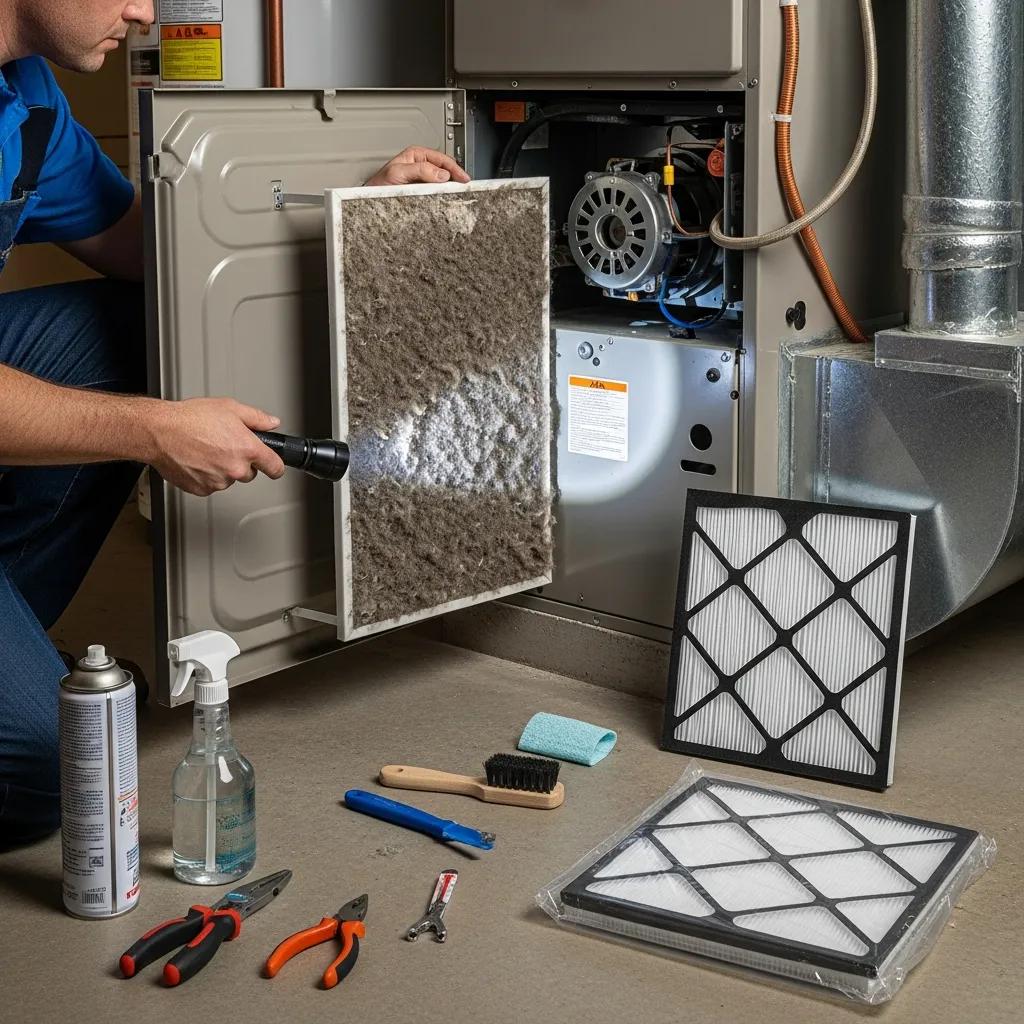
Restricted airflow is a common, often-missed cause of no heat: a clogged filter reduces airflow, lets the heat exchanger overheat, and trips the limit switch to protect the unit. The fix is usually simple — inspect and replace filters, check return vents, and ensure supply registers are open. These steps often restore normal heating and improve efficiency.
The table below sums up common filter types, how they behave when clogged, and what to do.
Keeping a regular filter schedule prevents overheating trips and avoids unintended airflow restrictions from overly restrictive filters.
- Check supply and return registers: Make sure registers are open and not blocked by furniture or curtains.
- Inspect visible ductwork: Look for crushed flexible ducts or disconnected seams in crawl spaces or attics.
- Replace or clean filters: Use the correct size and type and note the replacement date.
These vent and filter checks often fix heating problems and reduce wear on the blower and heat exchanger.
How Does a Clogged Air Filter Cause Furnace No Heat?
A clogged filter reduces the air moving across the heat exchanger, which raises temperatures and triggers the limit switch to shut the burner off until things cool. Signs include weak warm airflow, frequent short cycles, and higher energy bills. Replacing the filter is a fast, effective DIY step — use the right size and a MERV rating that matches your system. If the furnace still trips the limit switch after replacing the filter, the blower or ducts may need a professional inspection.
Start with the filter — it’s often the quickest way to get heat back on.
How Do Ignition System Failures Cause a Furnace Not to Heat?
Ignition failures stop the furnace from making flame. Older furnaces use a standing pilot; modern units rely on hot-surface igniters or intermittent pilots with flame sensors. A failed igniter or a dirty flame sensor prevents stable combustion, causing repeated start attempts, safety lockouts, or no flame at all. Safe DIY checks include looking for a pilot that’s out, noting error codes, and following the manufacturer’s safe relight steps for pilot-equipped units. For electronic ignitions, gentle flame-sensor cleaning can help, but replacement or electrical diagnostics are often required.
The table below connects common ignition components to symptoms and the right next step.
What Steps Can I Take If the Pilot Light Is Out?
For furnaces with a standing pilot: first, check for the smell of gas — if you detect gas, evacuate and call emergency services; do not try to relight. If there’s no odor, follow the unit’s relighting procedure (usually set the gas control to “pilot,” hold the pilot button, and light the pilot per the manual). Let gas clear before attempting to light anything, and stop if the pilot won’t stay lit after safe attempts. If relighting fails, the thermocouple or the gas supply may be at fault and should be handled by a professional.
Safety first: only relight a pilot when you’re sure there’s no gas leak and you can follow the manufacturer’s instructions.
How Do Electronic Ignition and Flame Sensor Problems Affect Heating?
Electronic ignition systems use a hot-surface igniter or spark and a flame sensor to confirm combustion. Dirt or wear can prevent ignition or make the sensor falsely report no flame, so the burner shuts off. Signs include repeated ignition attempts, short cycling, or a constant error light on the control board. If you can access the flame sensor, a gentle cleaning with a fine abrasive pad can help; don’t bend or handle it roughly. If problems continue or the igniter is visibly cracked, the part will need replacement and a professional inspection of the gas and electrical systems.
When ignition parts fail repeatedly, a technician’s diagnostics ensure safe combustion and correct replacements.
When Should I Suspect Fuel Supply or Safety Control Issues?
Fuel-supply interruptions and safety-control trips are high priority because they affect combustion safety. Watch for these signs: no flame despite ignition attempts, the smell of gas, a limit switch that keeps tripping, or an empty oil-tank gauge. For gas systems, check whether other gas appliances are working and whether the furnace’s main gas valve is open (only if it’s safe to look). For oil systems, check tank levels and delivery records. Repeated limit-switch trips usually point to unresolved airflow or blower problems rather than a single reset.
Furnace Controls: Systems, Safety, and Monitoring
Control systems monitor temperature and safety inputs to keep furnaces operating safely. Limit switches, thermocouples, and other sensors feed control logic that can shut burners down if conditions become unsafe. Reliable monitoring, clear alarms, and routine maintenance are key to preventing dangerous failures.
Furnace Controls, 2014
If you smell gas or suspect a fuel-supply problem, stop troubleshooting and follow these safety steps first:
- If you smell gas, evacuate the home and follow your gas utility’s emergency instructions.
- Do not flip electrical switches or try to run the furnace if gas odor is present.
- For oil systems, verify the tank gauge and recent deliveries before attempting to run the furnace.
Any fuel-system checks that require accessing valves or gas lines should be left to trained professionals.
Best Owner Direct HVAC & Electrical can check gas and oil supplies, diagnose safety controls, and test limit-switch behavior. Our technicians handle fuel-delivery integrity and provide clear next steps for repairs or safe restarts.
If a limit switch keeps tripping after safe checks, that signals persistent overheating or a control fault and needs an in-person diagnostic to prevent repeated shutdowns.
What Furnace Problems Require Expert HVAC Technician Assistance?
Leave these to the pros: gas leaks, complex ignition and combustion faults, cracked heat exchangers, internal control-board failures, motor replacements, and major duct repairs. These issues involve combustion safety, sealed components, or live electrical work that are dangerous to handle without training. A professional visit typically includes a visual inspection, pressure and voltage checks, gas-flow verification, and targeted component tests. Many repairs can be diagnosed the same day and scheduled for parts replacement as needed; larger jobs like heat-exchanger replacement may need follow-up appointments.
When combustion or safety systems are involved, professional service restores safe, reliable heating and ensures code compliance.
How Does Best Owner Direct Provide 24/7 Emergency Furnace Repair in Portland?
Best Owner Direct HVAC & Electrical staffs trained technicians across the Portland Metro area who respond to emergency calls with safety and speed. We focus on containing hazards (shutting off unsafe components), performing safe diagnostics, and presenting clear repair or replacement options. For emergency requests, our techs will advise immediate safety steps to take before arrival, perform on-site diagnostics, and explain options and timelines. Local emergency availability reduces downtime and helps keep your household safe and warm.
We provide practical guidance, build trust through clear communication, and make it easy to schedule service or request an estimate.
At the end of an emergency visit, your technician will explain findings, recommend next steps, and give maintenance tips to prevent the issue from returning.
We’re here to help you stay safe and comfortable — contact us for appointments or emergency service.
Conclusion
Knowing the common reasons a furnace won’t produce heat helps Portland Metro homeowners take quick, safe action. Start with thermostat, power, and filter checks — they solve many issues — and escalate to a pro for ignition, fuel, or electrical concerns. If you’re unsure or see safety red flags, contact a licensed HVAC technician right away. Explore our services or reach out for help so your home stays warm and safe all winter.


Don't Freeze! Find 24-Hour Furnace Maintenance in HillsboroDon't freeze! Get fast, reliable 24 hour furnace maintenance in hillsboro, or. Learn emergency signs & stay warm tonight.
Read more

Quality & Comfort: Finding the Best Tankless Water Heater in GladstoneFind the best tankless water heater in Gladstone, OR. Enjoy endless hot water, energy savings, and expert installation for your home.
Read more
Professional & Local: Your Guide to Tankless Water Heater Contractors in GladstoneUpgrade to endless hot water! Choose a professional tankless water heater company in gladstone, or for expert installation & energy savings.
Read more